Pours, steam and sizzle: food and drink videos with AI
Make an appetising food or drink clip with AI video: choose the one motion that sells it, name the texture, keep steam and liquid believable, skip the traps.
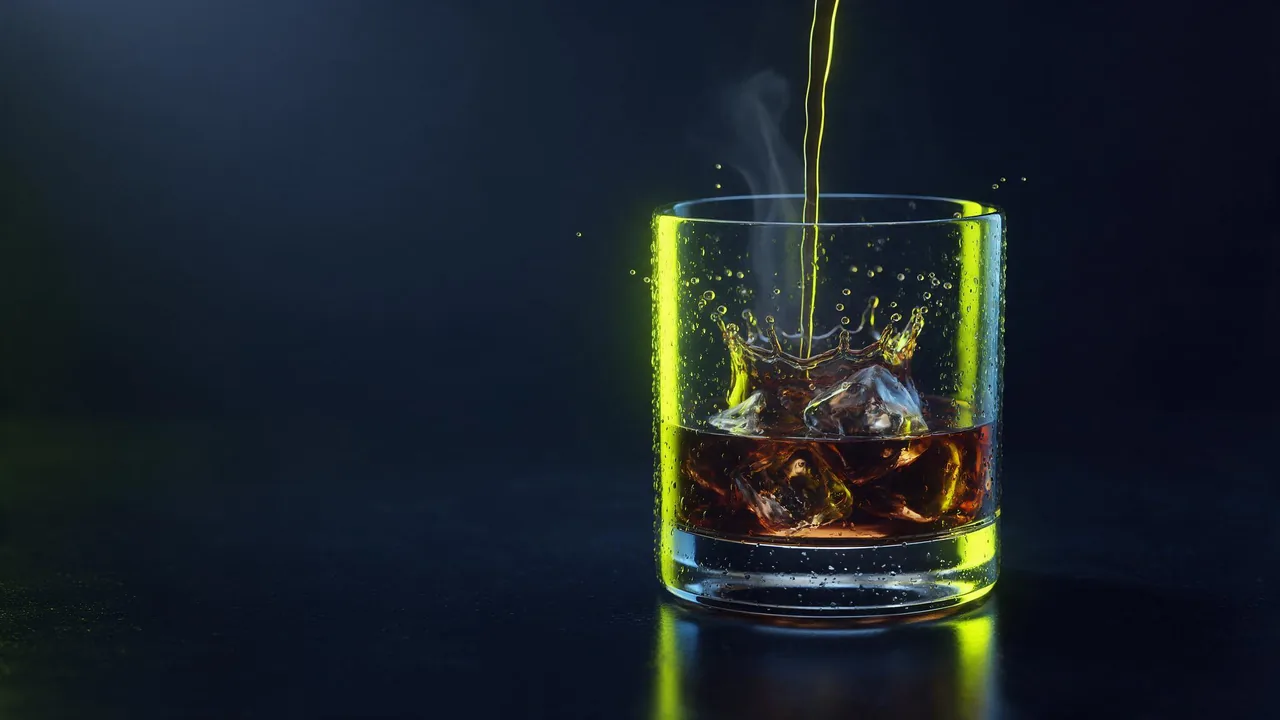
A food clip has one job: make someone hungry in a couple of seconds. A still photo can do it with a glossy sauce. A video has to do it with movement, and the movement has to be the right one. Coffee falling into a cup, steam leaving a bowl, a knife through a crisp crust: each is a tiny story with a start, a peak and an end.
This is a guide to prompting those moments. It stays on food and drink. The general words for liquids and smoke are in water, smoke, fire and cloth, and the timing words are in slow motion and timelapse; here we apply them to a plate and a glass.
Pick the one motion that sells it
Do not ask for a busy kitchen. Ask for one appetising event and let everything else hold still. Models handle one clear motion far better than five, and an eye that has one thing to follow stays on the clip.
- The pour. Coffee, tea, wine, syrup, cream, a sauce over a dish. It is the strongest drink motion because the stream has a shape and the surface reacts.
- The rise. Steam from soup, bubbles in a fizzy glass, a pie crust puffing. It says hot, fresh and cold without a word.
- The cut or break. A knife through bread, a spoon cracking caramel, a fork lifting a strand of cheese. It shows the inside, which is where the texture is.
- The drop. A cherry into a cocktail, a pinch of salt onto a steak, an ice cube into a glass. Small, fast, satisfying.
Pick one and write the whole prompt around it. If you catch yourself describing a second motion, make that one a second clip instead.
Describe the texture, not only the dish
"A bowl of ramen" gives you an average bowl of ramen. Appetite lives in texture words: glossy, crisp, molten, flaky, syrupy, frosted, charred at the edges, beaded with condensation. Put two or three of them on the thing that moves and one on the thing that sits still.
Close-up of a pitcher pouring thick golden honey onto a stack of pancakes with crisp edges, the honey stretching in a slow glossy ribbon and pooling on the top one. Camera: locked off, slightly above the plate. Warm soft window light from the left, shallow depth of field.Name the vessel as well. A heavy glass, a white enamel mug and a paper cup each change how light behaves and how the liquid looks, and a clear glass is the hardest because the model has to invent what is inside it. If the first run is muddy, switch to an opaque cup before you change anything else.
Steam, bubbles and condensation: ask gently
These three are the signature of a good food clip and the first thing to go wrong. Ask for too much steam and the plate vanishes in fog. Ask for none and a hot dish looks like a prop.
- Steam: "a thin wisp of steam curling up and fading", not "clouds of steam". Add a dark background behind it, because steam needs contrast to show at all.
- Bubbles: "fine bubbles rising steadily in the glass". Say fine, say steadily, or you get a boil.
- Condensation: "beads of condensation on the glass" works well on a cold drink and holds still, which is a gift: it keeps the frame believable while the liquid moves.
- Sizzle: show it, since the picture carries no sound. "Oil shimmering and tiny bubbles around the edges of a searing steak" reads as sizzle to the eye.
Sound is a separate job. If the clip needs a sizzle or a pour, add it in your own video editor.
Choose the camera for the dish
Food is small, so the camera is close. Three set-ups cover most plates and glasses.
- Locked macro, side on for a pour or a rising bubble. The liquid line stays clean and a still camera hides a lot of model wobble. Rack focus, bokeh and telephoto explains why a shallow depth of field helps food.
- Overhead, locked for a table spread or something poured onto a plate. Say "top-down, camera directly above" and keep the plate in the centre.
- Slow push in for the reveal: a lid lifted, a dish arriving, a cut through the middle. Keep the move slow, since a fast push smears small textures.
For a pour, "slow motion" is worth the word. A stream at normal speed is a blur; at a fraction of the speed it shows the crown splash and the way the surface settles. Put it in the prompt once, near the motion, and do not combine it with a camera move.
Start from a still when the dish matters
If a particular dish has to look right, such as your own menu item or a brand's bottle, do not leave it to a text prompt. Make or upload a still of it, check it, then animate that still with an image-to-video model: the plate, the colours and the light carry over, and the prompt only has to say what moves. It is the same method as in a product turntable from one photo. A still costs from €0.40, a lot less than a failed clip.
The bowl stays exactly as in the picture. A thin wisp of steam rises from the broth and fades, and one slice of spring onion slowly turns on the surface. Camera: locked off. Everything else is still.Test cheaply, then spend on the keeper
Food clips need a few rolls, because liquid is the hardest thing in video. Run the idea on Motion Lite, which starts from €2.00, check the first second and the last second, and only then re-render the good prompt on a stronger model. Clips can be up to 30 seconds, but a pour or a rising wisp needs three or four. Short clips are cheaper and wobble less. The whole list is on the models page.
What AI food video still gets wrong
- Physics of liquid. A stream may bend, split or enter the glass from the wrong side. Reroll, or shorten the clip.
- Hands and utensils. Anything that holds a fork or pours from a bottle is risky. Show the pour, not the person, or frame the shot so only the vessel is in view.
- Real brands and labels. Text on a bottle or a menu comes out as nonsense. Leave labels blank and add the real packaging in your editor.
- Portion honesty. A clip made with AI is not a photo of what you serve. If you sell food, do not show a result the kitchen cannot deliver.
Questions
How do I make a food video with AI?
Pick one appetising motion such as a pour, rising steam or a cut, name the dish and two or three texture words, fix the camera and ask for soft side light. Test on a short cheap clip before the final render.
How do I get realistic steam in an AI video?
Ask for a thin wisp of steam curling up and fading, put a darker background behind it, and avoid the word clouds. Too much steam hides the dish and too little makes it look cold.
Can AI video show a pour without a mess?
Mostly. Use a locked macro camera, a short clip, an opaque or simple vessel and the words slow motion. Liquid is the hardest subject, so plan on several tries and keep the best.
Can I animate a photo of my own dish?
Yes. Use an image-to-video model with your picture as the first frame, describe only the movement and say that everything else stays the same. Do not expect readable labels or text to survive.